The worry most owners have
A smoky fireplace sends people looking for help, and the worry they bring with them is simple: "How do I know I'm not being sold something I don't need?" It is a fair worry. Draft problems have cheap causes and expensive ones, and from the living room they look alike. The person you hire controls which answer you hear.
This post covers what a good diagnosis looks like, what you should get on paper, and how we approach it at Gresham Chimney Works in Cypress, so you can judge any company, including us, by the same yardstick.
A good visit starts with your account
The first thing a careful technician does is ask. When does the smoke appear? Only at lighting, or all evening? Is it worse with the range hood or the dryer running? Does it happen on still nights or only on windy ones? Has anything changed, such as new windows, a remodel, or a tree that has grown over the roof?
Those answers rule causes in and out before a tool comes out of the van. Someone who skips them and heads straight for the roof with a sales sheet is guessing.
What should be tested, not assumed
For a wood fireplace that smokes, the visit should cover:
- The damper, worked through its full movement, to see whether it opens all the way.
- The opening and the flue, measured, so the ratio between them is known. An opening too large for its flue is a common cause, and it has nothing to do with the condition of the chimney.
- The smoke shelf and throat, checked for debris.
- The flue, looked up from below, and from the roof.
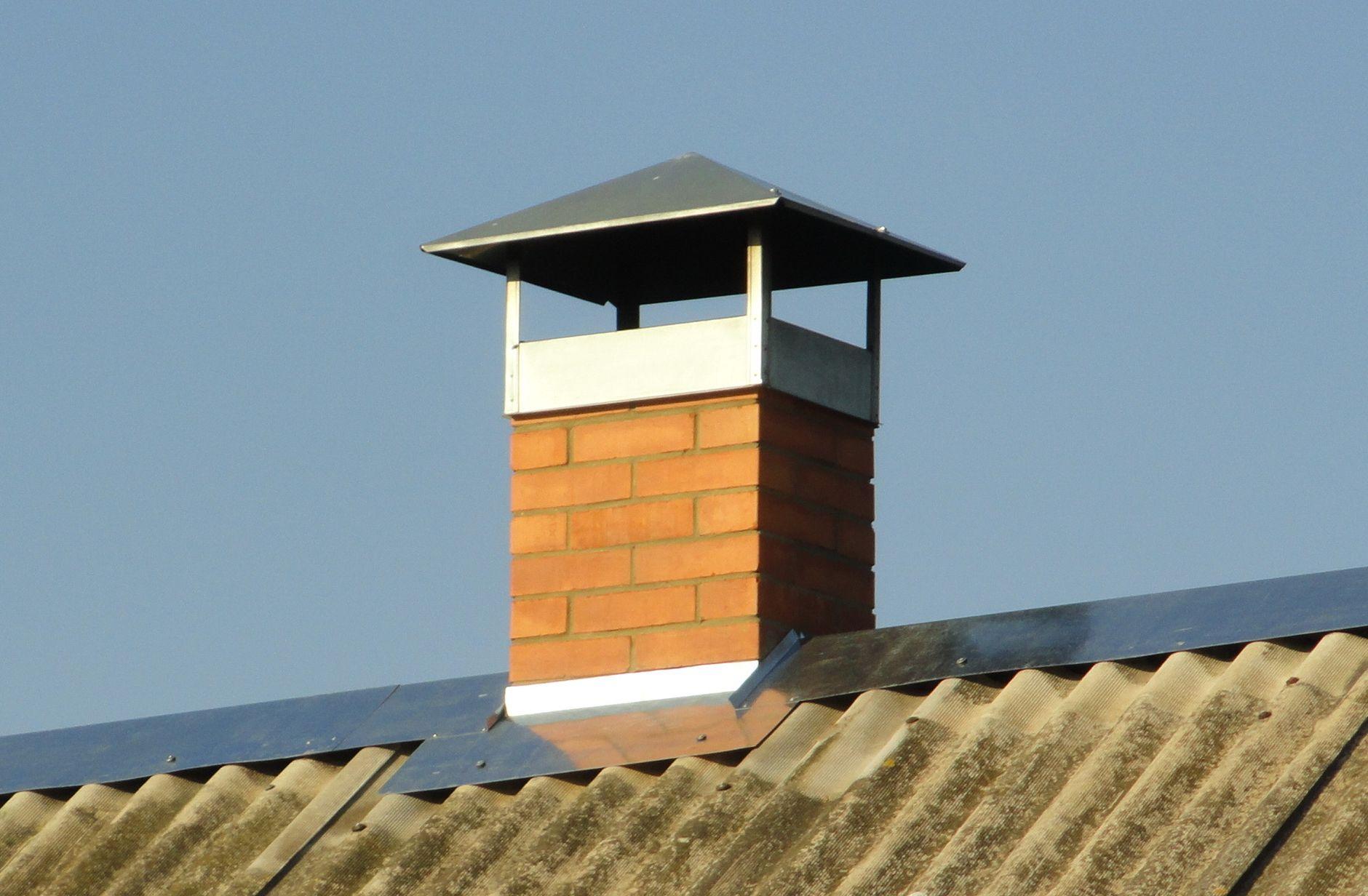
- The top of the chimney: the cap, the height of the stack against the roof and anything nearby that blocks wind.
- A draft test, usually with a small smoke source held at the opening, with doors, fans and the dryer set the way they are when the problem happens.
For a gas unit, the visit adds the flame pattern, the burner and pilot, and a carbon monoxide reading in the room while it runs.
If a company proposes a liner or a rebuild, ask to see what they saw. A camera run with images is what makes a liner recommendation more than an opinion.
What you should get in writing
At the end of the visit you should hold something that tells you:
1. What was found, in plain words, with where it is. 2. What the likely cause of the smoke is, and how sure they are. 3. What the fix is, with a price, or a clear note that a deeper look is needed first and what that costs. 4. Anything else that is unsafe, kept separate from things that are only worth watching.
A finding without a cause is half a job. A price without a scope is a number you cannot compare.
Red flags
Some patterns should make you slow down:
- A full rebuild or a liner pushed before anyone has looked inside the flue.
- A price given over the phone for a large repair the caller has not seen.
- Pressure to sign on the day, or a "discount if you book now".
- Big claims about the company that you have no way to check.
- No written scope, only a verbal promise.
None of these prove a company is dishonest. They do mean you have less to go on.
How our pricing works
We publish what we can. A sweep is from $400. The visual check from the firebox and the roof is $160. The camera run of the full flue, with a written report, is $375. Caps get their own figure after we measure; a larger cap or one over two flues costs more.
Repairs such as dampers, smoke guards, liners and masonry depend on what is there, so we measure and send a written price before work. If we cannot tell the cause from the first visit, we tell you that, and what the next look would cost, rather than selling the largest fix to be safe.
What decides your first visit is how the smoke behaves and whether the chimney has been through a change such as a quake or a chimney fire. Describe the smoke and any recent change, and we will reply with the visit we would start with.
Questions worth asking any company
- Will you test the draft, and how?
- Will you measure the opening against the flue?
- If you recommend a liner, will I see images of the inside?
- Will I get the price in writing before work begins?
- What happens if the first fix does not cure the smoke?
A company that answers these calmly is one you can work with.
Comparing quotes
When two quotes differ, check whether they are describing the same job. One may include a cap and the other not. One may assume the damper can be saved and the other price a replacement. Lay the scopes side by side before the prices. If a scope is vague, ask for it in more detail; a company that knows what it found can write it down.
Our area
We work in Cypress and the nearby cities, including Cerritos and Bellflower. The services most draft problems lead to are fireplace repair, the chimney sweep, damper repair and, for gas units, gas fireplace repair. Our post on sweep or inspection first helps pick the opening visit.
Want our read on your fireplace? Start on the contact page with a few lines about the smoke, and we will answer with a visit and a price you can hold us to.
Sounds Like the Fireplace at Your House?
Gresham tests the draw, reads the room air and names the cause before any price is written. Visits go out from Cypress to Cerritos, Bellflower, La Palma and the nearby cities.